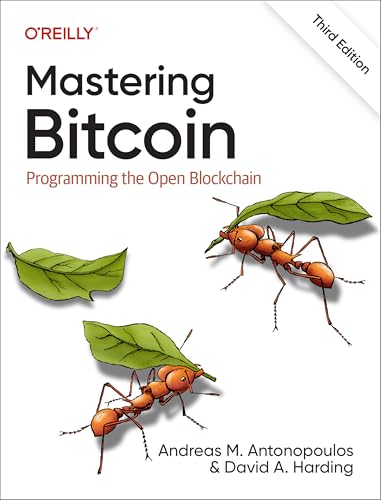
Understanding Bitcoin and Its Impact on the Financial Landscape
Bitcoin is a revolutionary digital currency that emerged in 2009, founded by the pseudonymous entity Satoshi Nakamoto. Since its inception, Bitcoin has grown from a niche project into a worldwide phenomenon, fundamentally altering the global financial system. At its core, Bitcoin operates on a technology known as blockchain, which serves as a public ledger recording all transactions. This decentralized approach ensures transparency and security, allowing users to transact without the need for a central authority.
The primary operation behind Bitcoin involves a mechanism known as mining. This process entails the use of powerful computers to solve complex mathematical problems, thereby validating transactions and adding them to the blockchain. In return for their efforts, miners are rewarded with newly created bitcoins, making mining a crucial element of the Bitcoin ecosystem. Moreover, Bitcoin wallets are applications that allow users to store and manage their bitcoins, providing both security and accessibility.
As a decentralized currency, Bitcoin eliminates the need for intermediaries like banks when conducting transactions, leading to a cost-effective and expeditious process. Its rise has been propelled by a myriad of factors, including growing acceptance among businesses, hedge against inflation, and the desire for financial sovereignty. Notable real-world applications of Bitcoin can be seen in remittances, online purchases, and even charitable donations, demonstrating its versatility and adaptability.
The implications of Bitcoin extend beyond mere transactions. It has prompted an examination of traditional financial systems, challenging established economic principles and giving rise to an environment conducive to innovation. With Bitcoin leading the charge, the financial ecosystem is witnessing a transition toward decentralized finance (DeFi), which seeks to make financial services accessible to everyone, regardless of geographical location.
How to Get Started with Bitcoin: A Practical Guide
Entering the world of Bitcoin can seem overwhelming, but with a structured approach, it becomes manageable. The first step towards becoming a Bitcoin owner is to create a digital wallet, which is essential for storing your cryptocurrency securely. There are various types of wallets available, including software wallets, hardware wallets, and mobile wallets. Each offers different levels of security and convenience, so it’s important to evaluate your personal needs. Choose a reputable wallet provider, ensuring they employ robust security measures such as two-factor authentication.
Once you have your wallet set up, you can begin purchasing Bitcoin. There are several avenues for acquiring Bitcoin, including reputable exchanges like Coinbase and Binance, where you can purchase Bitcoin using traditional currency. It’s advisable to research different exchanges for their transaction fees, security features, and user reviews. Alternatively, peer-to-peer platforms like LocalBitcoins allow direct buying from other individuals, which may offer pricing advantages, but comes with heightened risks. Always opt for sellers with positive feedback and conduct transactions in secure environments.
Security is paramount in the realm of cryptocurrency. Regularly update your wallet software, and consider using hardware wallets for storing larger amounts of Bitcoin. Additionally, back up your wallet and retain your recovery phrases in a safe place. Furthermore, be wary of common scams and phishing attacks that aim to compromise your Bitcoin holdings. Only engage with trusted platforms and be skeptical of deals that appear too good to be true.
By following these practical steps, you will be well on your way to confidently owning and managing Bitcoin. Knowing how to set up your wallet, where to purchase Bitcoin, and how to secure your assets will enable you to participate in this financial revolution with peace of mind.
Building on Bitcoin: Creating Applications and Innovations
The Bitcoin ecosystem offers a fertile ground for innovation, enabling developers and entrepreneurs to create applications that harness the power of blockchain technology. As Bitcoin continues to evolve, the possibilities for application development broaden, encompassing fields such as smart contracts and decentralized finance (DeFi). These applications can provide users with enhanced security, transparency, and efficiency in transactions.
At the core of Bitcoin application development are several programming languages and tools. Bitcoin’s scripting language, though limited in its functionality, allows developers to implement basic transactions and logic. Developers often choose higher-level programming languages like JavaScript, Python, and Go for building more complex applications on top of Bitcoin’s infrastructure. This choice of languages, coupled with frameworks like BitcoinJS and OpenNode, has made it more accessible for new developers to engage with the Bitcoin ecosystem.
Despite the exciting opportunities presented by Bitcoin, several challenges must also be navigated. Security is paramount; developers must account for vulnerabilities that could compromise user funds or data. Additionally, understanding the intricacies of Bitcoin’s consensus mechanism, scalability issues, and transaction fees is critical for creating sustainable applications. Best practices in Bitcoin development often include rigorous testing, community feedback, and adherence to standards to ensure robust applications.
The landscape of Bitcoin application development is continually shifting, and with each innovation, the way we perceive and interact with financial systems is transformed. As more developers enter the space, we can expect a wave of innovative projects that leverage Bitcoin’s fundamental strengths and address current challenges, thereby expanding its utility beyond just a monetary tool.
The Future of Bitcoin and the Broader Cryptocurrency Market
As we look ahead to the future of Bitcoin and the broader cryptocurrency market, several key trends and dynamics emerge. Bitcoin, often referred to as digital gold, continues to attract attention from both retail and institutional investors. This growing interest suggests a potential shift in the financial landscape, as more individuals and organizations recognize Bitcoin’s value proposition as a store of value and a potential hedge against inflation.
Regulatory environments across various jurisdictions are evolving, with governments worldwide grappling with how to effectively manage and regulate cryptocurrencies. As regulations become clearer, they could significantly influence Bitcoin’s adoption rates. For instance, regulatory clarity may encourage institutional investments, which have been a driving force in Bitcoin’s recent price surges. Firms such as Tesla and MicroStrategy have already entered the market, highlighting a growing acceptance of Bitcoin as part of corporate treasury management strategies.
Challenges remain, however, particularly around scalability and energy consumption associated with Bitcoin mining. These issues could hinder its progress unless solutions like the Lightning Network gain traction. Additionally, competition from alternative cryptocurrencies may also pose challenges. Other digital currencies, such as Ethereum and Binance Coin, offer unique functionalities that could appeal to specific market segments, potentially affecting Bitcoin’s dominant market position.
Despite these challenges, the potential future of Bitcoin looks robust. Analysts predict that its adoption could increase significantly, propelled by ongoing technological advancements and increasing acceptance of digital assets overall. By keeping an eye on market dynamics, regulatory developments, and institutional adoption, investors and enthusiasts can navigate the changing landscape of the cryptocurrency space with greater knowledge and insight.